






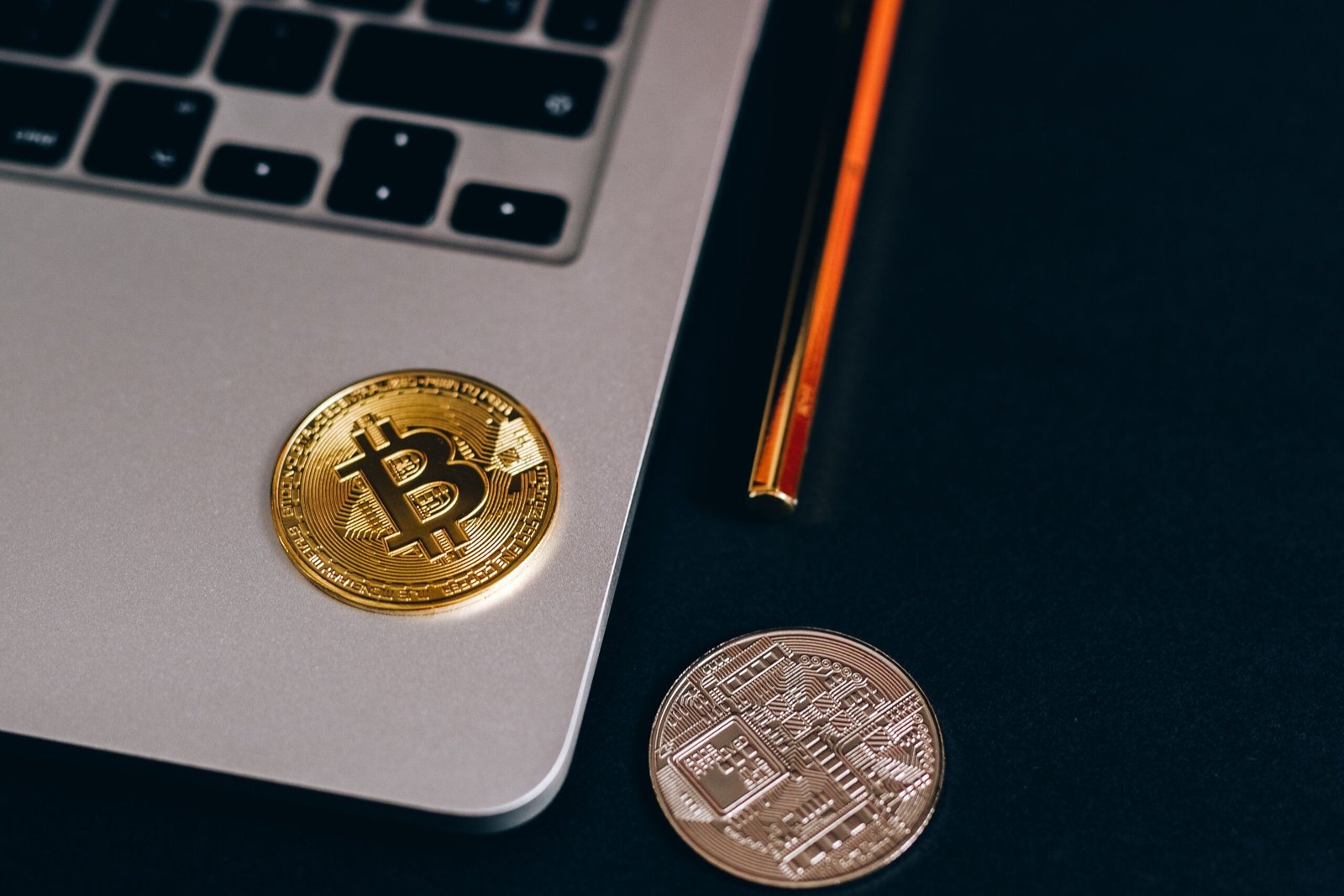
Cryptocurrency gives users greater control over their digital assets, but that control also comes with responsibility. Unlike traditional bank accounts, many crypto wallets do not have a central authority that can reverse unauthorised transactions or restore stolen funds. A single mistake, such as sharing a recovery phrase or approving a malicious transaction, can result in permanent losses.
As cryptocurrency adoption grows, wallet security needs to become a regular part of managing digital assets. Scammers are using increasingly convincing phishing websites, fake applications, impersonation tactics and malicious smart contracts to target wallet users.
Whether you hold Bitcoin, Ethereum, Solana or other digital currencies, following a few practical security habits can significantly reduce your exposure to common threats.
Here are some of the best ways to improve crypto wallet security in 2027.
1. Use a Hardware Wallet for Long-Term Storage
A hardware wallet is one of the most useful security options for people holding significant amounts of cryptocurrency. It stores private keys in a dedicated physical device and is designed to keep them away from internet-connected computers and phones.
Unlike a typical mobile or browser wallet, a hardware wallet can sign transactions without exposing the private key to the connected computer.
However, owning a hardware wallet does not automatically make every transaction safe. Users still need to check transaction details before approving them.
Security tips:
- Purchase hardware wallets directly from the manufacturer’s official website or an authorised seller.
- Set up the device yourself and follow its official instructions.
- Never use a recovery phrase supplied by someone else.
- Check the recipient address and transaction details on the device screen.
- Keep the recovery backup in a separate secure location.
Hardware wallets are particularly useful for long-term holdings that do not need to be accessed every day.
2. Protect Your Recovery Phrase
Your recovery phrase, sometimes called a seed phrase, is one of the most important parts of a non-custodial cryptocurrency wallet. It usually consists of 12 or 24 words and can be used to restore wallet access.
Anyone who obtains this phrase may be able to access the funds associated with it. This is why protecting it should be a priority.
Avoid storing your recovery phrase in places that can be accessed remotely.
Avoid:
- Taking screenshots of your recovery phrase.
- Saving it in email drafts or cloud storage.
- Sending it through messaging applications.
- Sharing it with customer support representatives.
- Entering it on websites claiming to offer wallet verification or rewards.
Write down the phrase and keep it in a secure physical location. For additional protection, consider durable backup storage and carefully planned copies in separate secure locations.
Remember that a recovery phrase is not the same as a normal password. Changing your wallet password does not necessarily protect a recovery phrase that has already been exposed.
3. Enable Strong Two-Factor Authentication
If you use cryptocurrency exchanges or services that support account-based authentication, enable two-factor authentication (2FA).
Two-factor authentication adds another verification step when someone tries to access your account. Even if an attacker discovers your password, the additional authentication requirement can make unauthorised access more difficult.
Where available, consider using a hardware security key or a passkey. An authenticator application is another useful option. SMS-based verification is generally less resistant to attacks such as SIM swapping.
Recommended practices:
- Use a unique password for every crypto-related account.
- Enable the strongest authentication method supported by the service.
- Keep backup authentication codes somewhere secure.
- Review logged-in devices and active sessions regularly.
- Never share verification codes with anyone.
Remember that exchange account security and wallet security are different. Two-factor authentication protects the account login, but it does not replace the protection of private keys in a self-custody wallet.
4. Use Separate Wallets for Different Activities
Using one wallet for everything can increase your exposure to risk. Connecting your main wallet to unfamiliar decentralised applications, token platforms or websites may expose valuable assets to unnecessary danger.
A better approach is to divide wallet activity according to its purpose.
For example:
| Wallet Type | Main Purpose | Suggested Use |
|---|---|---|
| Hardware wallet | Long-term storage | Holding significant crypto assets |
| Daily-use wallet | Regular transactions | Sending and receiving cryptocurrency |
| DeFi wallet | Decentralised applications | Interacting with trusted DeFi platforms |
| Test wallet | New applications | Testing unfamiliar services with small amounts |
This arrangement can help limit the damage if one wallet becomes compromised.
A separate wallet is not a complete security solution, however. Each wallet still needs secure credentials, reliable backups and careful transaction approval.
5. Verify Every Transaction Before Approving It
One of the easiest ways to lose cryptocurrency is to approve a transaction without understanding what it does.
Before confirming a transfer, check the recipient address, amount, blockchain network and transaction fee. When interacting with a smart contract, review the requested permissions and understand what the transaction is authorising.
Do not assume that a transaction is safe simply because it appears inside a familiar wallet application.
Before approving a transaction, check:
- Is the recipient address correct?
- Is the selected blockchain network correct?
- Does the amount match what you intended to send?
- Are the fees reasonable?
- Is the transaction requesting token approval or other permissions?
- Do you understand what will happen after signing?
For large transfers, sending a small test amount first can help identify address or network mistakes. It does not eliminate every risk, but it is a useful precaution.
6. Be Careful With Phishing Websites and Fake Applications
Phishing remains a major risk for cryptocurrency users. Attackers create websites and applications that imitate popular wallets, exchanges, airdrop campaigns and DeFi platforms.
Their goal is often to convince users to reveal recovery phrases, enter login details or approve malicious transactions.
Some fake websites also appear in search advertisements or are distributed through social media messages.
How to avoid phishing:
- Visit wallet and exchange websites through verified official links.
- Bookmark frequently used websites.
- Check domain names carefully before connecting a wallet.
- Download wallet applications only from trusted official sources.
- Avoid unexpected links in emails, messages and social media posts.
- Never enter your recovery phrase to claim an airdrop or receive a reward.
Be especially cautious when a message creates urgency by claiming that your wallet will be suspended or your funds will disappear unless you act immediately.
7. Review and Revoke Unnecessary Wallet Permissions
When using decentralised applications, users may approve smart contracts to access or spend certain tokens.
Some approvals are necessary for trading, staking or other blockchain activities. However, leaving unnecessary permissions active can increase exposure if a connected application or contract becomes compromised.
Make a habit of reviewing your token approvals and connected applications.
What you should do:
- Identify the blockchain networks and applications you regularly use.
- Review existing token allowances using trusted tools.
- Check whether old approvals are still required.
- Revoke permissions that you no longer need.
- Verify the network and contract before confirming a revocation transaction.
Revoking an approval may require a network fee. Also, disconnecting a website from a wallet is not necessarily the same as revoking a token allowance. Both should be checked separately.
8. Keep Wallet Software and Devices Updated
Wallet developers regularly release updates to improve functionality, fix bugs and address security vulnerabilities. Running outdated applications can leave devices exposed to problems that newer versions may have addressed.
Your wallet is only one part of the security environment. The phone or computer used to access it also needs protection.
Follow these practices:
- Install wallet updates from official sources.
- Keep your operating system and browser updated.
- Remove applications you no longer use.
- Use a screen lock and device encryption.
- Avoid installing unknown browser extensions.
- Use reputable security software where appropriate.
Never install a wallet update from an unsolicited message or an unknown download link. Verify the source before installing anything.
9. Avoid Public Wi-Fi for Sensitive Crypto Activities
Public Wi-Fi networks in airports, hotels, cafés and other shared spaces can introduce additional security risks. A poorly secured network may expose users to malicious hotspots, traffic interception or other attacks.
Avoid accessing important crypto accounts or approving sensitive transactions on unfamiliar public networks.
If you need to check a wallet while travelling, use a trusted mobile connection or another secure network. A VPN may provide additional network privacy, but it cannot protect you from phishing websites, malicious applications or unsafe transaction approvals.
The safest approach is to carry out important wallet operations from a trusted device and a network you control.
10. Watch Out for Fake Airdrops and Giveaway Scams
Airdrops and cryptocurrency giveaways can attract attention, particularly when a new blockchain project becomes popular. Unfortunately, scammers often use similar promotions to trick users into connecting wallets or revealing sensitive information.
A fake airdrop may ask you to visit a website, sign a transaction or enter your recovery phrase. Some malicious tokens may also include suspicious links or instructions.
Before participating in any promotion, check the project’s official website and verified communication channels.
Warning signs include:
- Guaranteed cryptocurrency rewards.
- Requests for your recovery phrase.
- Unexpected messages claiming that you have won a prize.
- Websites with suspicious or misspelled domain names.
- Requests to pay an upfront fee to unlock a supposed reward.
Never share your recovery phrase to receive an airdrop. A legitimate promotion should not need it.
11. Consider Multi-Signature Wallets for Higher Security
A multi-signature wallet, often called a multisig wallet, requires more than one authorised signature before a transaction can be completed.
For example, a wallet may require two approvals from three authorised devices or signers. This means that compromising one key may not be enough to move the funds.
Multisig arrangements can be useful for:
- Businesses managing cryptocurrency reserves.
- Investment groups handling shared funds.
- Users who want to reduce dependence on a single private key.
- Organisations that require multiple people to approve withdrawals.
However, multisig wallets can be more complicated to configure and recover. Users should understand the signing rules, backup arrangements and recovery process before moving significant funds into one.
12. Monitor Wallet Activity Regularly
Regularly checking wallet activity can help you identify transactions or permissions that you do not recognise.
Blockchain explorers allow users to review publicly visible transactions associated with wallet addresses. Depending on the blockchain, you can check transfers, token movements, transaction status and contract interactions.
You can also review exchange login history, connected devices and withdrawal settings.
Consider checking:
- Recent incoming and outgoing transactions.
- Unfamiliar token transfers.
- Active wallet connections.
- Unexpected token approvals.
- Exchange login sessions.
- Security notifications.
If you notice suspicious activity, do not interact with unknown tokens or links in an attempt to investigate them. Use official wallet documentation and trusted security resources.
13. Prepare a Wallet Recovery and Emergency Plan
Good wallet security is not only about preventing attacks. It is also about knowing what to do if a device is lost, a recovery phrase is exposed or an account is compromised.
Prepare a recovery plan before an emergency happens.
Your plan should explain:
- Where your recovery phrase is stored.
- How to restore access using the official wallet process.
- Which devices and accounts need to be secured.
- How to move unaffected funds to a newly secured wallet.
- How to contact the official exchange or wallet support team.
- Where to report suspicious transactions or scams.
If a recovery phrase is exposed, assume the wallet is compromised. From a clean, trusted device, create a new wallet with a new recovery phrase and move remaining assets to it as soon as it is safe to do so. Do not reuse the exposed phrase.
Never trust people who contact you privately and promise to recover stolen cryptocurrency in exchange for an upfront payment.
Crypto Wallet Security Checklist for 2027
Use this checklist to review your current wallet security habits.
- Use a hardware wallet for significant long-term holdings.
- Keep recovery phrases offline and private.
- Use strong, unique passwords.
- Enable phishing-resistant authentication where available.
- Separate storage wallets from everyday wallets.
- Verify addresses, networks and transaction details.
- Review and revoke unnecessary token approvals.
- Download wallet applications from official sources.
- Keep devices, browsers and wallet software updated.
- Avoid suspicious links, fake airdrops and unknown applications.
- Monitor wallet activity regularly.
- Maintain a secure recovery and emergency plan.
Final Thoughts
Improving crypto wallet security in 2027 requires more than choosing a popular wallet or installing a security application. It involves protecting recovery phrases, using suitable storage methods, checking every transaction and staying alert to scams.
The most effective approach is to combine several security measures rather than depending on one tool. Keep long-term holdings separate, use strong authentication for exchange accounts, review wallet permissions and avoid interacting with unfamiliar websites or applications.
Cryptocurrency gives users control over their assets, but that control comes with responsibility. Building consistent security habits today can help reduce the chances of losing access to your digital funds tomorrow.
Enjoying Cryptorevery?
If you find our crypto insights and market updates helpful, add Cryptorevery as a Preferred Source on Google to see more of our latest content.
Found this article useful?
If this content helped you, you may support the developer by contributing the cost of a coffee.
Pay $5

